Source Stainless Steel Car Detailing Brush for Floor, Car, Window
Compare 30 listings for stainless steel car detailing brush options suitable for floor, car, and window cleaning. Buyers can review specifications like size, material, and customization availability to find the right supplier for their needs; compare the available evidence and request quotations based on your requirements.
Key considerations
Products List


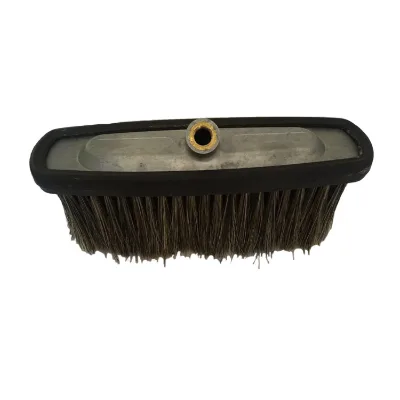


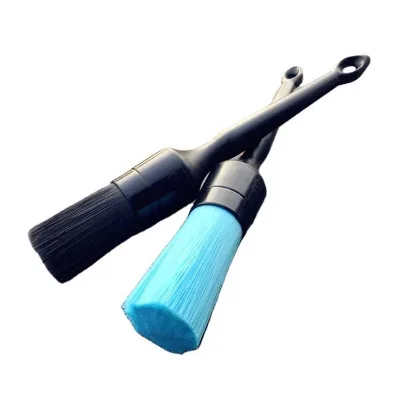

Comprehensive Sourcing Guide
Stainless Steel Car Detailing Brush Sourcing Guide
Procuring stainless steel car detailing brushes requires a nuanced understanding of material durability, bristle configuration, and ergonomic design. While the core keyword emphasizes stainless steel, market observations indicate a diverse range of materials, including plastic heads and polypropylene (PP) components, which may be integrated into the brush structure for cost efficiency or specific cleaning tasks. Buyers must carefully distinguish between the handle material and the bristle or scourer components to ensure the product meets the rigorous demands of automotive detailing. The presence of "multicolor" and "scourer" style attributes suggests that some listings may offer abrasive cleaning tools rather than traditional soft-bristle detailing brushes, necessitating clear specification alignment to avoid mismatched expectations.
The sourcing landscape reveals significant variability in product models, such as TW-CCB002, FY5145, and OC009, indicating that suppliers often offer extensive catalogs rather than a single standardized item. This diversity allows for customization but complicates the initial selection process. Buyers should prioritize suppliers who provide clear configuration confirmations before order placement, as seen in the "Configuration confirmed before order" standard. This practice ensures that the final product matches the specific detailing needs, whether for floor cleaning, car washing, or window maintenance. Understanding these variations is crucial for establishing accurate technical requirements and preventing procurement errors.
Product Scope and Observed Listing Signals
The observed product scope encompasses a wide array of cleaning tools, ranging from heavy-duty car wash brushes to multifunctional scourers. Listings indicate usage across multiple surfaces, including floors, cars, windows, toilets, and kitchens, suggesting that many suppliers offer versatile cleaning solutions rather than specialized automotive-only tools. The "Advantage: Brush Set Multifunction" attribute highlights the trend toward comprehensive cleaning kits, which may include various brush heads or sizes. Buyers interested specifically in stainless steel detailing brushes must scrutinize these broad usage claims to identify products with the appropriate bristle stiffness and material composition for delicate automotive paintwork.
Packing and origin data provide additional context for the product scope. Most items originate from Shanghai or broader China regions, with packing methods varying from carton to bulk and color card unit packing. The "Feature: Stocked" attribute suggests that some suppliers maintain inventory for immediate shipment, which can be advantageous for urgent procurement needs. However, the "Customized: Non-Customized" and "Customized: Customized" attributes indicate that customization availability is not uniform across all listings. Buyers should verify whether the specific stainless steel brush they require is available as a standard stock item or if it requires a custom manufacturing process, which may impact lead times and minimum order quantities.
Technical Specifications to Verify
Technical verification begins with confirming the exact material composition, particularly the grade of stainless steel used for the bristles or structural components. While some listings specify plastic brush heads or PP materials, buyers must ensure that the stainless steel elements meet corrosion-resistant standards suitable for frequent water exposure and chemical detergent use. The "Brush Head Material: Plastic" observation for some models indicates that not all parts may be metal, so buyers should request detailed material breakdowns to confirm that the critical cleaning surfaces are indeed stainless steel. This verification is essential to prevent premature rusting or degradation of the brush during rigorous detailing tasks.
Dimensions and weight specifications vary significantly across models, with standards ranging from 2.5cm to 27cm in length and weights from 81g to 217g. For instance, model TW-CCB014 is listed with a weight of 130g and dimensions of 3cm by 2.5cm, while model DB1125 offers lengths of 23cm and 27cm. Buyers should align these specifications with their ergonomic preferences and cleaning requirements. Larger brushes may be suitable for broad surface cleaning, while smaller, more compact designs might be better for intricate areas like wheel wells or trim. Verifying these physical attributes ensures that the selected brush provides the necessary reach and control for effective car detailing.
Compliance and Safety Documentation
Compliance verification is critical for industrial and commercial cleaning tools, even if they are not directly consumed. Buyers should request documentation confirming that the materials used, particularly any coatings or adhesives, are free from harmful substances such as heavy metals or volatile organic compounds. Although CE certification is mentioned in the background data, its applicability to stainless steel brushes depends on the specific manufacturing standards and regional regulations. Buyers must clarify whether the supplier’s compliance claims are relevant to their target market and ensure that the product meets local safety standards for consumer goods or industrial equipment.
Safety considerations also extend to the physical design of the brush. Ergonomic handles should be designed to prevent hand fatigue and injury during prolonged use. Buyers should verify that the brush construction is robust and that bristles are securely attached to prevent shedding, which could pose a hazard if ingested or inhaled. Additionally, if the brush is marketed as "Eco-Friendly," buyers should request evidence of sustainable sourcing or recyclable packaging. This documentation not only supports compliance but also aligns with corporate social responsibility goals, enhancing the brand image for buyers who prioritize environmental stewardship in their procurement decisions.
Cost Drivers and Commercial Terms
Cost drivers for stainless steel car detailing brushes include the grade of steel, bristle density, and the complexity of the handle design. Higher-grade stainless steel, such as 304 or 316, commands a premium due to its superior corrosion resistance. The "Advantage: Heavy Duty" attribute suggests that some products are designed for more demanding applications, which may involve thicker materials and more durable construction, thereby increasing the unit cost. Buyers should evaluate the total cost of ownership, considering factors like durability and replacement frequency, rather than focusing solely on the initial purchase price.
Commercial terms, including minimum order quantities (MOQ) and pricing, vary widely. Observed MOQs range from 1 to 5000 units, with some listings specifying an MOQ of 1000. The price range of $0.3 to $28 USD reflects this variability, with lower prices likely corresponding to simpler, plastic-heavy designs and higher prices to specialized stainless steel models. Buyers should negotiate based on volume commitments and customization requirements. Understanding the relationship between MOQ, customization, and price allows for more effective budgeting and supplier selection, ensuring that the procurement strategy aligns with both financial constraints and operational needs.
Supplier Qualification and Quality Control
Supplier qualification involves assessing the manufacturer’s capability to produce consistent, high-quality stainless steel brushes. Buyers should verify the supplier’s production capacity, quality management systems, and experience in the cleaning tool industry. The "Configuration confirmed before order" standard indicates a level of engagement that can be a positive sign, suggesting that the supplier is willing to collaborate on product specifications. Buyers should request samples to evaluate the build quality, material finish, and overall durability before committing to larger orders. This due diligence helps mitigate the risk of receiving substandard products that may fail during use.
Quality control processes should include routine inspections for material defects, such as rust spots or loose bristles. Buyers should inquire about the supplier’s testing protocols and whether they conduct random sampling or 100% inspection before shipment. The "Feature: Easily Cleaned" attribute implies that the product design facilitates maintenance, which is a key quality indicator. Buyers should also assess the supplier’s responsiveness to quality issues and their willingness to provide warranties or replacements for defective items. A robust quality control framework ensures that the procurement process yields reliable products that meet the expected performance standards.
Long-Term Procurement Checks
Long-term procurement success depends on establishing a reliable supply chain that can adapt to changing market demands and product requirements. Buyers should monitor supplier performance over time, tracking metrics such as on-time delivery, product consistency, and responsiveness to feedback. The availability of customization options, as indicated by the "Customization: Available" attribute, allows for product evolution and differentiation. Buyers should leverage this flexibility to refine their offerings based on customer feedback and market trends, ensuring that the stainless steel brushes remain competitive and relevant.
Regular audits and relationship management are essential for maintaining high standards. Buyers should schedule periodic reviews with their suppliers to discuss performance, address any issues, and explore opportunities for improvement. The "Standard: 3cm / 217g" and similar specifications provide a baseline for comparison, but buyers should remain open to adjustments that enhance product value. By fostering a collaborative partnership with suppliers, buyers can ensure a steady supply of high-quality stainless steel car detailing brushes that meet their evolving needs and contribute to long-term business success.
FAQs
What customization options are available for car detailing brushes?
Customization is available for these cleaning tools, allowing buyers to tailor products to specific needs. The configuration is confirmed before the order is placed to ensure accuracy. This approach supports both customized and non-customized requests, providing flexibility for various procurement requirements and ensuring the final product matches the intended use case.
Which materials are used for the brush heads?
The brush heads are primarily made from plastic, with some variants using PP material for durability. These materials are selected for their resistance to wear and chemical exposure during cleaning tasks. The choice of plastic ensures a lightweight yet sturdy construction, suitable for various surfaces including cars, floors, and windows, while maintaining effective scouring performance.
Can I find car brushes with specific size specifications?
Yes, specific size specifications are available for different models. Options include lengths of 23cm, 27cm, 29cm, and 15x5x4cm. Some products also feature width specifications like 2.5cm or 3cm. These varied dimensions allow buyers to select the most appropriate tool for specific cleaning applications, ensuring optimal reach and handling for detailed work on various surfaces.
What is the typical packaging method for these products?
Products are typically packed in cartons or in bulk, depending on the specific model and order requirements. Some items may also use color card unit packing for retail readiness. This flexible packaging approach ensures safe transit and storage, while also accommodating different distribution channels. Buyers can choose the packaging style that best fits their logistical needs and retail presentation strategies.
Where are these car detailing brushes manufactured?
These products are manufactured in Shanghai, China. This location serves as the primary origin for the supply chain, ensuring consistent quality control and production standards. Sourcing from this region provides access to established manufacturing capabilities and logistical networks, facilitating efficient delivery and supply chain management for international buyers seeking reliable car cleaning tools.
What are the minimum order quantities for these brushes?
Minimum order quantities vary, with some products requiring 1000 units, while others may start from just 1 unit. This wide range accommodates both large-scale industrial buyers and smaller retailers. The flexibility in MOQ allows businesses to test market demand with smaller orders or secure bulk pricing for larger inventory needs, supporting diverse procurement strategies.